
If you’ve shopped around for plastic sheeting lately, you’ve probably seen “UV stabilized polycarbonate” mentioned everywhere. But what does that actually mean? And more to the point, do you really need it?
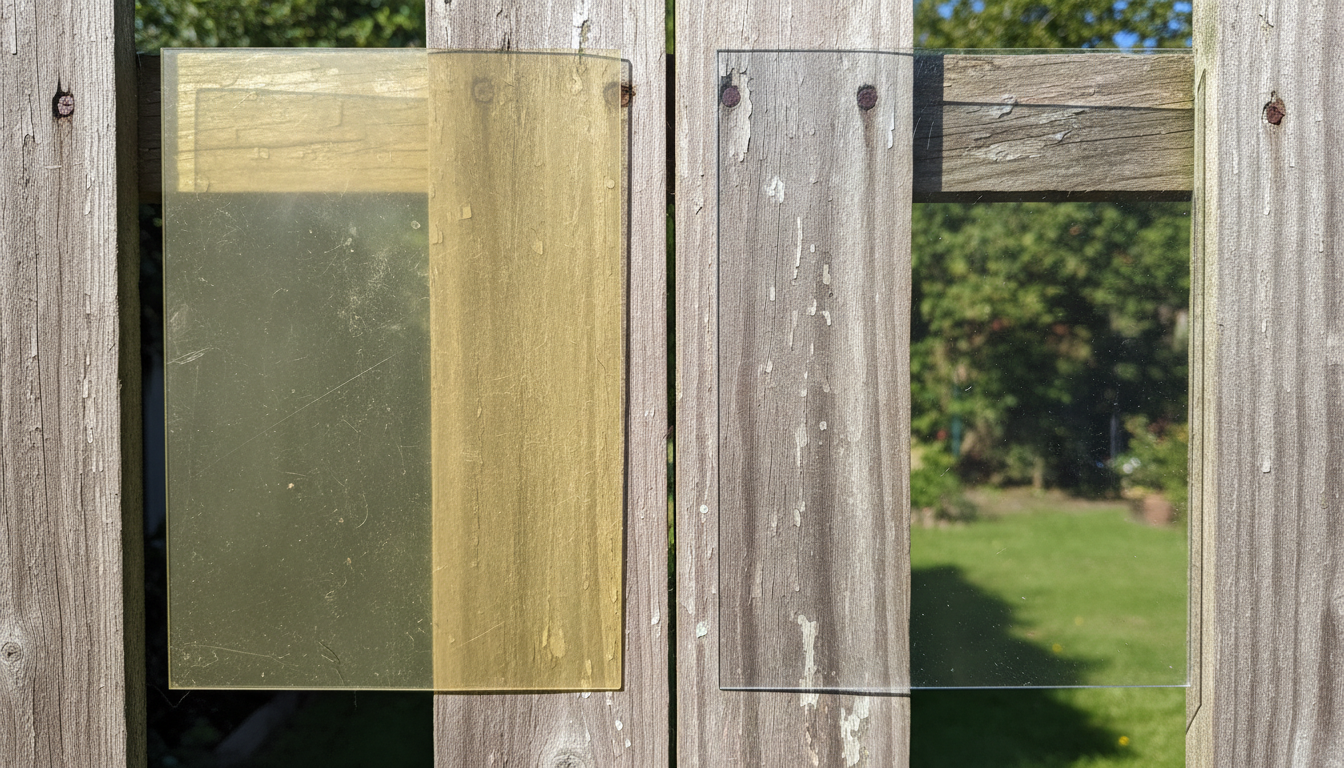
Polycarbonate’s been popular for years because it’s tough, clear, and way lighter than glass. The problem is that regular polycarbonate doesn’t hold up well in direct sunlight. Without UV protection, it starts yellowing after a couple of years. UV-protected polycarbonate has a special coating that blocks harmful UV rays, preventing the material from yellowing, becoming brittle, or degrading when exposed to sunlight, extending outdoor life to 10+ years compared to 2-3 years for standard polycarbonate without UV protection.
We’ve worked with different plastics at CBR HK Global, including polyethylene, PET, and PP materials. Each one has its own strengths. But when you need something clear, strong, and outdoor-ready, UV stabilized polycarbonate sits in a league of its own.
How UV Protection Actually Works
Polycarbonate as a material blocks almost the entire relevant UV spectrum, meaning both UVA and UVB, by absorbing UV radiation and not allowing it to be transmitted through. That’s great for the people and things underneath the sheet. You’re getting better sun protection than most sunscreens.
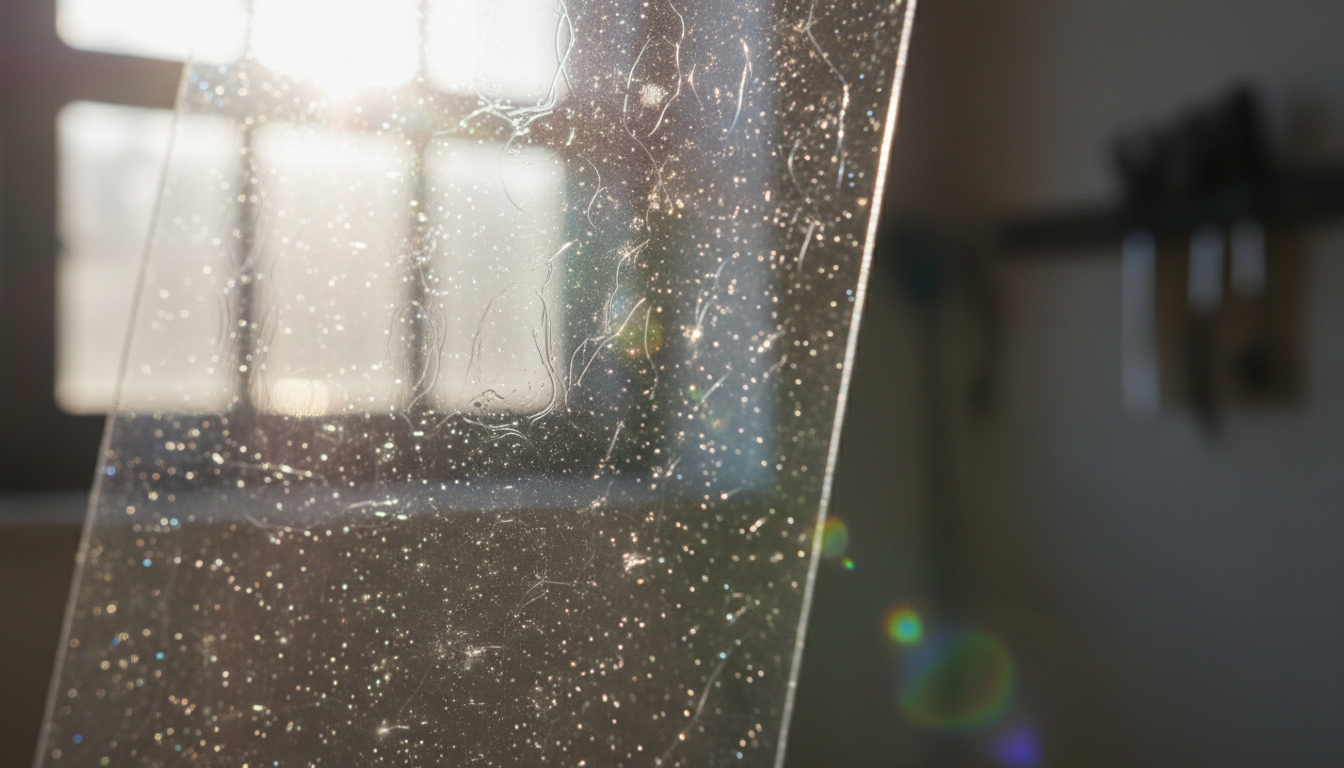
But here’s the catch. Polycarbonate absorbs ultraviolet rays, providing effective protection for whatever lies beneath it, but over time, continuous absorption of these rays negatively impacts the sheet itself, leading to yellowing, loss of transparency, and reduced overall performance.
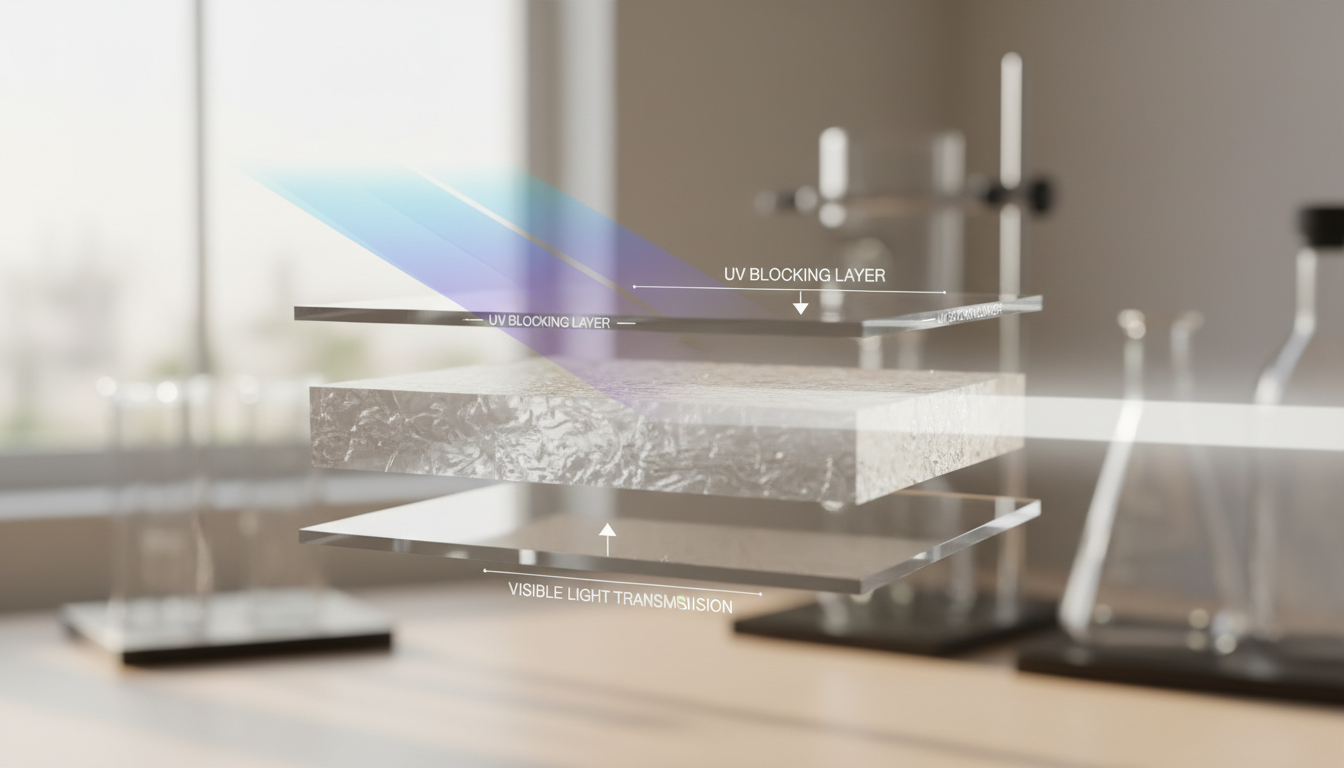
That’s where UV stabilization comes in. UV stabilizers are added to the resin to protect the substance from long-term degradation from UV light, working by absorbing or screening out UV radiation and preventing damage. Think of it like sunscreen for the plastic itself.
Most manufacturers apply this protection in one of two ways: by adding stabilizers to the resin mix or by co-extruding a thin UV-resistant layer during production. The co-extrusion process combines the base polycarbonate resin with the UV master-batch through a single feedblock die, producing a polycarbonate sheet base layer with a perfect UV cap layer. The co-extruded version tends to give you more even protection since the layer can’t peel off.
Two Types of Protection You’re Getting
When talking about polycarbonate and protection from ultraviolet radiation, we must consider two separate types of protection: the first protection is for the people and objects under a polycarbonate roof, and any polycarbonate sheet, regardless of its shape, thickness or color, provides this protection from harmful UV, which is a great benefit of polycarbonate over other translucent materials; the second protection is for the sheet itself, in order to maintain its benefits and characteristics over time.
Basically, all polycarbonate blocks UV rays from reaching you. But only UV stabilized polycarbonate protects itself from breaking down. Without that self-protection, the sheets can turn yellow, get brittle, and eventually crack. Not exactly what you want on a skylight or patio cover.
Key benefits:
- Blocks 99% of harmful UV rays
- Prevents yellowing and discoloration
- Stops the material from getting brittle
- Keeps the sheet clear for 10-15 years
- Protects people and objects underneath
Where UV Stabilized Polycarbonate Makes Sense
UV solid polycarbonate is excellent for outdoor windows, patio doors, and security glazing, providing crystal-clear visibility like glass while being 250 times stronger and virtually unbreakable.
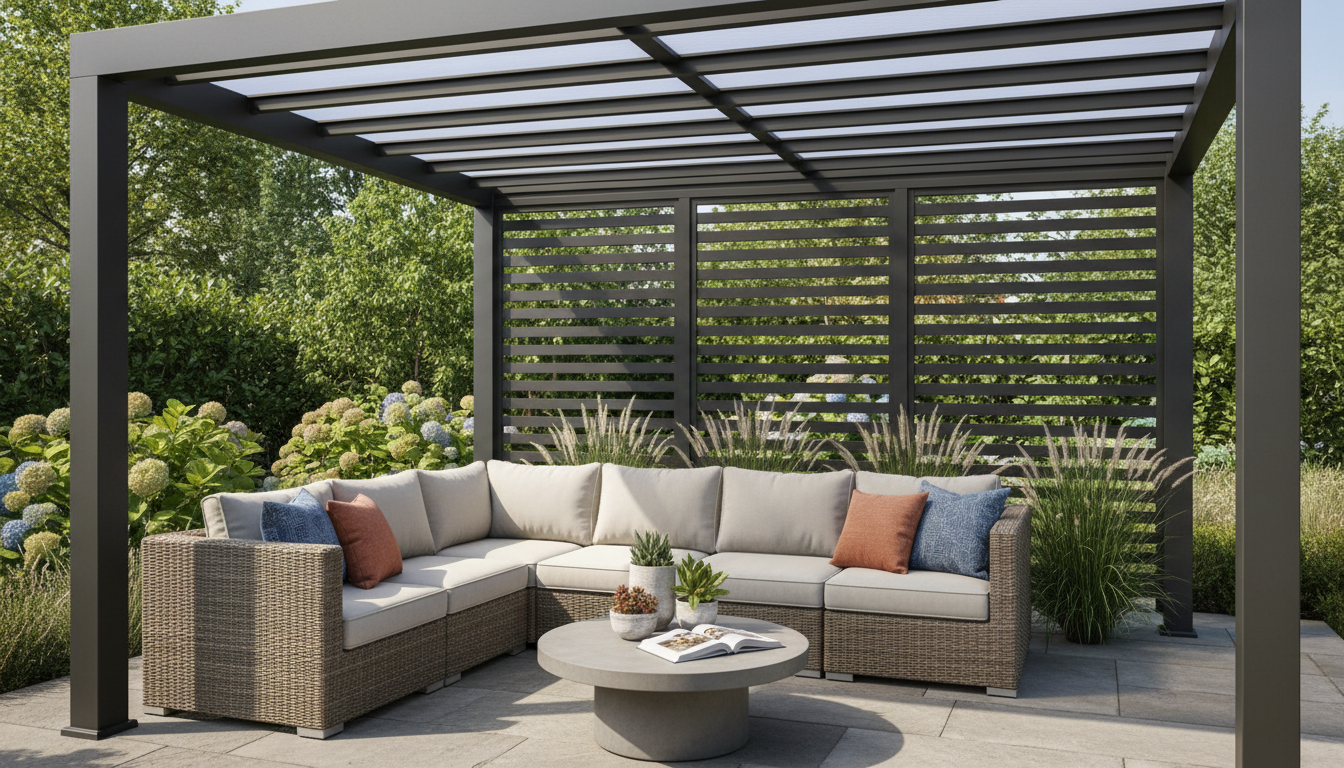
We see it used most often in roofing projects. The UV blocking characteristic made polycarbonate a popular choice for roofing in both commercial and residential construction, such as a swimming pool covered with a polycarbonate roof where bathers enjoy the natural light while not worrying about UV radiation which is completely blocked.
Other common applications include:
- Skylights and covered walkways
- Greenhouse panels and conservatories
- Bus shelters and outdoor signage
- Machine guards for outdoor equipment
- Protective barriers and safety glazing
- Patio covers and pergolas
For projects needing thermal insulation along with UV protection, multiwall polycarbonate works better than solid sheets. The hollow chambers between layers give you better temperature control, which is why greenhouses typically go that route.
Comparing Your Options
| Feature | Standard Polycarbonate | UV Stabilized Polycarbonate |
|---|---|---|
| Outdoor lifespan | 2-3 years | 10-15+ years |
| UV blocking | Yes (blocks rays) | Yes (blocks rays) |
| Self-protection | No | Yes |
| Yellowing resistance | Poor | Excellent |
| Impact strength | 250x glass | 250x glass |
| Best use | Indoor applications | Outdoor applications |
Both types block UV rays from passing through. The difference is durability. If your sheet sits outside in direct sun, you need the stabilized version. Period.
Picking the Right Sheet for Your Project
Here’s what actually matters when you’re choosing:
Thickness: Ranges from 0.06 inches to over 0.3 inches. Thicker sheets cost more but handle impacts better and last longer. For roofing, you’ll typically want at least 0.16 inches.
UV coating sides: Each sheet is UV-resistant on both sides to block up to 99% of harmful rays, preventing yellowing and haze over time. Two-sided protection costs more, but it means you don’t have to worry about which side faces the sun during installation.
Warranty: Look for at least a 10-year warranty against yellowing and breakage. That tells you the manufacturer stands behind their UV protection claims.
Application type: Solid sheets give you glass-like clarity. Multiwall sheets provide better insulation. Match the product to what you actually need, not just what’s on sale.
Don’t skimp on UV protection for outdoor projects. You might save 20% upfront, but you’ll end up replacing yellow, brittle sheets in a few years. Not worth it.
Installation Tips Worth Knowing
Most UV stabilized polycarbonate comes with a protective film that shows you which side has the UV coating. That film usually has text printed on it saying “THIS SIDE OUT” or something similar. Pay attention to it.
Single-sided UV protected sheets must be installed with the marked UV protective layer facing out toward the sun, although sheet products can also be UV protected on both sides, with most sheets protected on one side that is marked clearly.
You can cut, drill, and shape UV stabilized polycarbonate with standard tools. Just go slow to avoid cracking. And leave room for thermal expansion—these sheets expand and contract with temperature changes.
Clean with mild soap and water. Skip the ammonia-based cleaners, which can damage the UV coating. A soft cloth works better than paper towels, which can scratch the surface.
Cost vs. Value
Yes, UV stabilized polycarbonate costs more than standard sheets. You’re looking at roughly 30-50% more depending on thickness and brand. But think about it this way: would you rather pay once or replace everything in three years?
The real cost comes from installation labor, not materials. If you’re paying someone to build a patio cover or skylight, the extra material cost is minor compared to doing the whole job twice.
Plus, UV stabilized sheets hold their value better if you sell your property. Nobody wants to buy a house with yellowed, cloudy roofing that needs immediate replacement.
Conclusion
UV stabilized polycarbonate solves the biggest weakness of regular polycarbonate: outdoor durability. By adding a thin protective layer during manufacturing, you get sheets that stay clear and strong for 10-15 years instead of yellowing after 2-3 years. The material still blocks UV rays from passing through, but now it also protects itself from sun damage.
For outdoor projects like skylights, patio covers, greenhouses, and protective glazing, UV stabilization isn’t optional—it’s a must. The upfront cost difference is small compared to the hassle and expense of early replacement. Look for sheets with two-sided UV protection and at least a 10-year warranty, and make sure you install them with the marked UV side facing the sun.
At CBR HK Global, we understand that choosing the right plastic material matters. Whether you’re working with ABS, EVA, or considering polycarbonate options, the key is matching the material to your actual needs. For anything spending years in direct sunlight, UV stabilized polycarbonate just makes sense.
FAQs
How long does UV stabilized polycarbonate last outdoors?
With proper UV protection, polycarbonate sheets typically last 10-15 years in direct sunlight. Some premium products with advanced coatings can last even longer. Without UV stabilization, standard polycarbonate yellows and degrades within 2-3 years. The actual lifespan depends on your climate, sun exposure intensity, and the quality of the UV coating applied during manufacturing.
Can you use regular polycarbonate outdoors if it’s painted or covered?
If the polycarbonate is completely protected from direct and reflected sunlight—like when it’s painted, plated, or shaded—then UV stabilization isn’t necessary. The coating or covering acts as a barrier against UV rays. But if any part of the sheet gets sun exposure, you need UV protection. Even indirect sunlight can cause degradation over time.
Is UV stabilized polycarbonate the same as acrylic sheets?
No, they’re different materials with different properties. Polycarbonate is much stronger—about 250 times stronger than glass and significantly tougher than acrylic. Acrylic has better scratch resistance and optical clarity but breaks more easily. For outdoor applications needing impact resistance, UV stabilized polycarbonate is usually the better choice. Acrylic works well for signs and displays where scratching is the bigger concern.
Does UV stabilized polycarbonate block heat as well as UV rays?
Standard UV stabilized polycarbonate blocks harmful UV rays but still allows visible light and infrared heat to pass through. If heat control is your goal, look for solar control polycarbonate sheets. These have special additives that reflect near-infrared radiation while still letting in plenty of light. They cost more but can significantly reduce heat buildup under covered areas.
What’s the difference between UV coating and UV stabilizers?
UV stabilizers are additives mixed into the polycarbonate resin throughout the material. UV coating is a thin protective layer applied to the surface during manufacturing. Coatings provide a dedicated barrier that directly blocks UV at the exposed surface, while stabilizers work throughout the material. Many premium sheets use both methods for maximum protection. Co-extruded UV layers combine the best of both approaches by creating a permanent protective cap that can’t peel off.