
Polyethylene resin powers countless products we use daily—from milk jugs to shopping bags to industrial containers. But how does this versatile material go from crude oil to those tiny plastic pellets that manufacturers melt and mold? We’re breaking down the process step by step.
Starting with Crude Oil
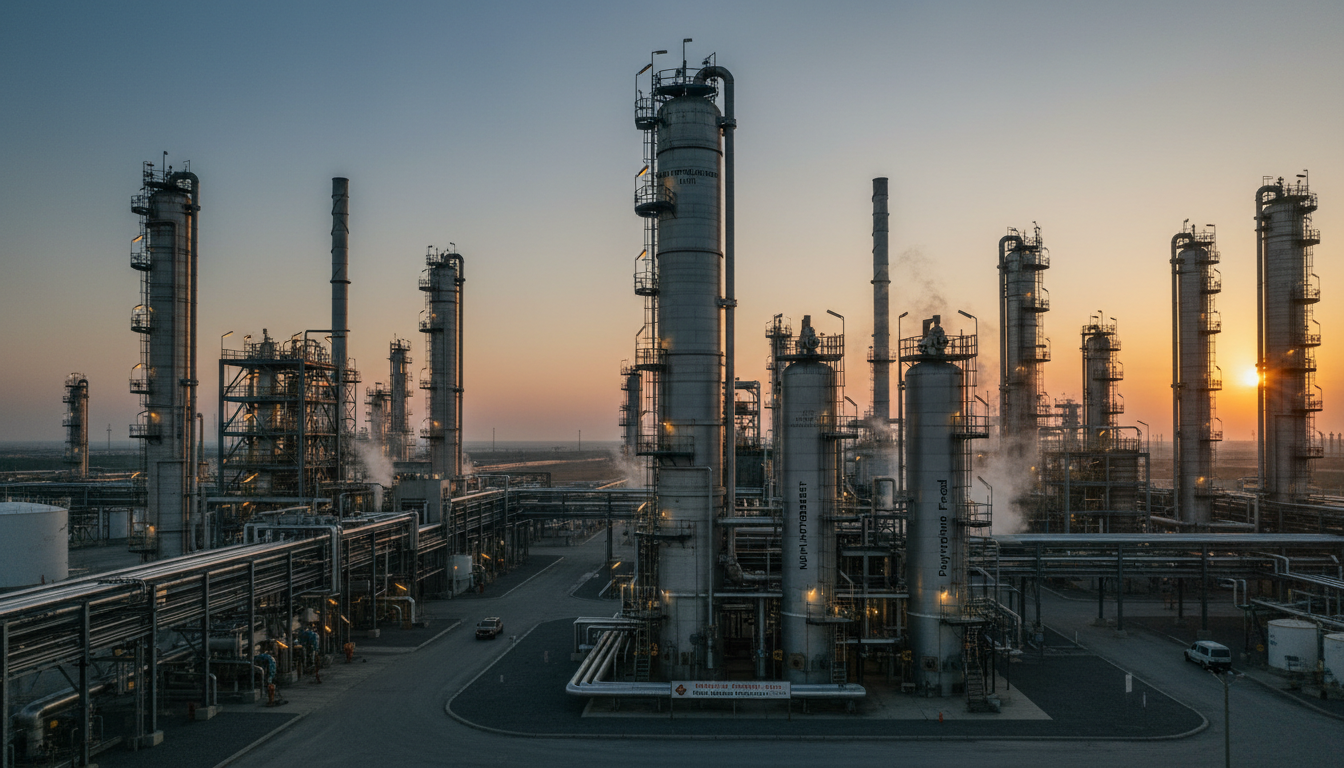
The journey begins at an oil refinery where crude oil undergoes distillation. Think of it like heating a giant pot of mixed ingredients—different components separate based on their boiling points. The lighter fractions, particularly naphtha, are what we’re after. These petroleum-based materials contain the building blocks needed for polyethylene production.
Once separated, naphtha moves to the next stage: cracking. During this process, naphtha gets subjected to extreme heat and pressure, breaking down large hydrocarbon molecules into smaller ones. The star of the show here is ethylene gas—a simple molecule with just two carbon atoms that becomes the foundation for all polyethylene resin.
The Polymerization Process
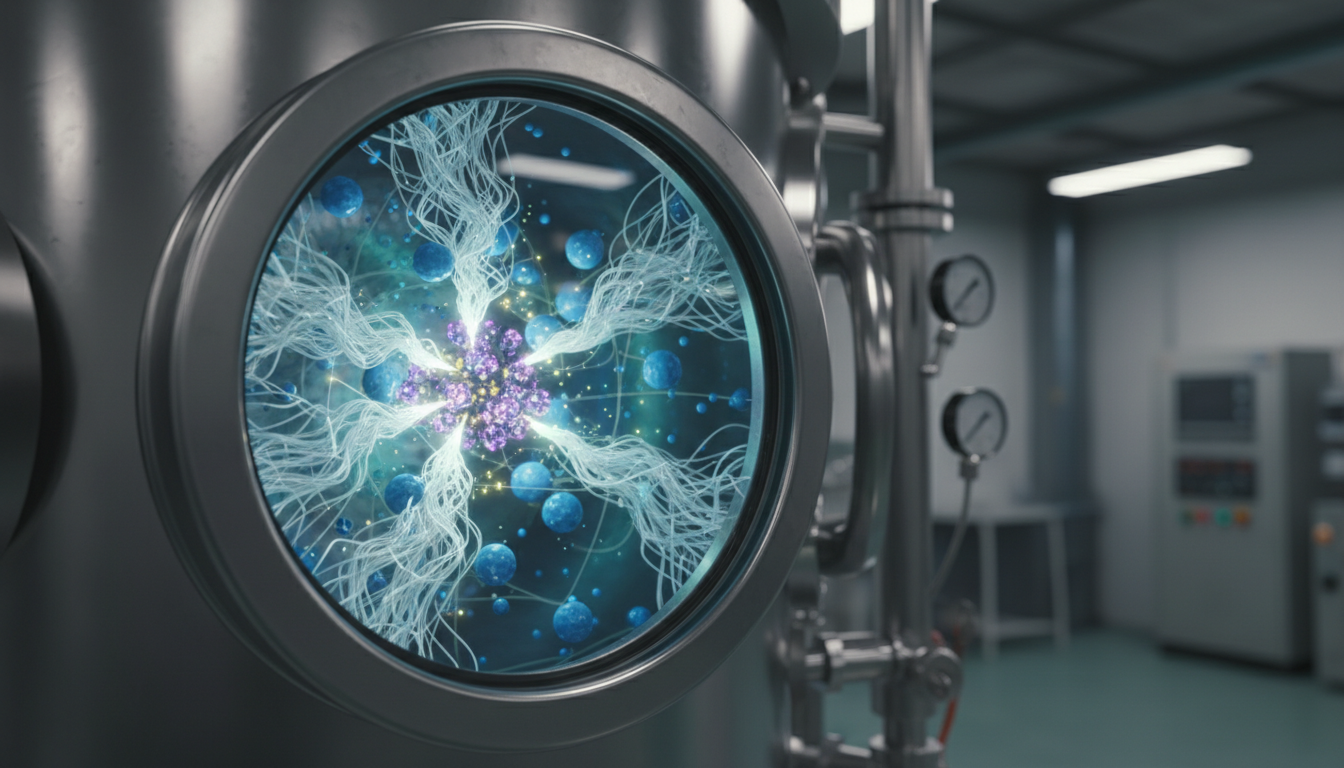
Here’s where chemistry gets interesting. Polymerization transforms individual ethylene molecules (monomers) into long chains called polymers. The method used determines what type of polyethylene you’ll get.
For low-density polyethylene (LDPE), manufacturers use what’s called radical polymerization. Ethylene gas enters a reactor at incredibly high pressure—we’re talking 1,000 to 3,000 atmospheres—and temperatures reaching up to 570 degrees Kelvin (about 565°F). An initiator, usually oxygen or organic peroxide, kicks off the chain reaction. The result? Polyethylene with lots of branching in its molecular structure, making it flexible and lightweight.
High-density polyethylene (HDPE) takes a different route. Instead of extreme pressure, it relies on specialized catalysts at much gentler conditions—typically 70-300°C and just 10-80 bar of pressure. The two main catalyst families here are the Phillips catalyst (chromium-based) and Ziegler-Natta catalysts (titanium-based). These catalysts encourage ethylene molecules to link up in straight chains with minimal branching, creating a denser, stronger material.
For those interested in learning more about different polypropylene vs resin materials, the chemistry shares some similarities but produces distinct properties.
Three Main Production Methods
Modern facilities use three primary techniques for HDPE and linear low-density polyethylene (LLDPE) production:
Slurry Polymerization: The catalyst gets mixed with a liquid hydrocarbon like hexane or isobutane. Ethylene and hydrogen flow into this slurry under pressure, and polymerization happens in a large loop reactor with constant stirring. The polymer comes out as a powder that’s separated from the liquid and dried.
Solution Polymerization: Similar to slurry, but here the polymer actually dissolves in the solvent during reaction. This method works well for certain grades and allows for good control over molecular weight.
Gas Phase Polymerization: No liquid solvent needed. Ethylene gas, hydrogen, and sometimes co-monomers (like butene or hexene for LLDPE) flow through a reactor containing solid catalyst particles. The polymer forms as powder right on the catalyst surface. This method has gained popularity because it’s energy-efficient and produces less waste.
From Powder to Pellets
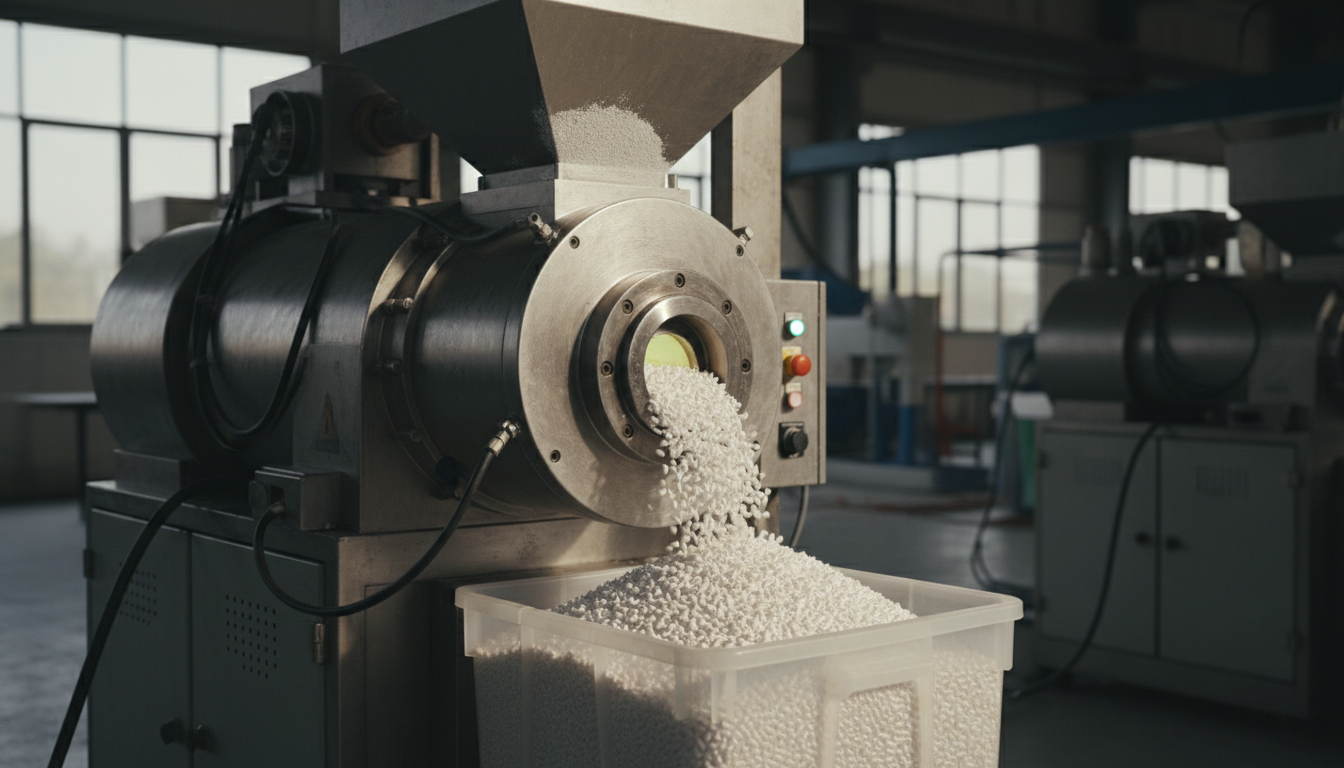
After polymerization, you’ve got polyethylene powder—but manufacturers need pellets. The powder gets transferred to an extruder, which melts it and forces it through small openings. As the molten plastic exits, it’s cooled and cut into small pellets or beads. These pellets are easy to transport, store, and use in manufacturing.
This is also when additives get mixed in. Depending on the intended use, manufacturers might add UV stabilizers, antioxidants, colorants, or other compounds to give the resin specific properties. Our PP product range showcases how different formulations meet different application needs.
Different Types Mean Different Properties
The production method directly impacts what you can do with the final resin. LDPE’s branched structure makes it perfect for flexible films and squeeze bottles. HDPE’s linear chains pack tightly together, giving you the strength needed for milk jugs, pipes, and storage containers. LLDPE sits between them—it has some short branches that provide flexibility while maintaining good strength.
Manufacturers can fine-tune properties by adjusting temperature, pressure, catalyst type, and whether they add co-monomers during polymerization. It’s like having different recipes that all start with the same basic ingredient but produce different results.
Quality Control and Testing
Before polyethylene resin pellets ship to customers, they go through rigorous testing. Labs check density, melt flow rate, molecular weight distribution, and other specifications. This makes sure each batch performs consistently when melted and molded into final products. At CBRHK Global, quality control is part of our commitment to delivering reliable materials.
Conclusion
Polyethylene resin manufacturing is a carefully controlled chemical process that transforms crude oil into one of the world’s most versatile plastics. From the initial cracking of naphtha to release ethylene gas, through polymerization with specific catalysts and conditions, to final extrusion into pellets—each step plays a role in determining the material’s final properties. Whether you need flexible LDPE for packaging or strong HDPE for industrial applications, understanding the manufacturing process helps explain why different polyethylene grades behave so differently. The technology continues advancing, with newer metallocene catalysts and more efficient production methods making polyethylene resin more accessible and customizable than ever.
FAQs
What is the main raw material for polyethylene resin?
Polyethylene resin starts with crude oil, specifically the naphtha fraction obtained through distillation. This naphtha undergoes a cracking process to produce ethylene gas—the monomer that polymerizes into polyethylene. Natural gas can also serve as a source through similar processing.
What’s the difference between how LDPE and HDPE are made?
LDPE production uses high pressure (1,000-3,000 atmospheres) and high temperature with radical polymerization, creating a highly branched structure. HDPE uses low pressure (10-80 bar) with special catalysts like Ziegler-Natta or Phillips catalysts, producing linear chains with minimal branching. This fundamental difference in manufacturing creates their distinct properties.
What are the main catalysts used in polyethylene production?
Three main catalyst families are used: Phillips catalyst (chromium-based), Ziegler-Natta catalysts (titanium-based), and metallocene catalysts. Phillips and Ziegler-Natta catalysts have been industry standards since the 1950s, while metallocene catalysts, developed in the 1970s, offer more precise control over polymer structure and properties.
How long does it take to make polyethylene resin?
The actual polymerization reaction can happen quite quickly—within minutes to hours depending on the process and desired molecular weight. But the complete process from crude oil distillation through cracking, polymerization, extrusion, and pelletizing typically takes several days. Modern continuous processes can produce thousands of tons per day at large facilities.
Can polyethylene resin be recycled and turned back into new resin?
Yes, polyethylene can be recycled, though it typically gets mechanically recycled (melted and reformed) rather than chemically broken back down to monomers. HDPE (recycling code #2) and LDPE (recycling code #4) can both be recycled, though collection and processing infrastructure varies by location. Recent research into chemical recycling methods shows promise for breaking polyethylene back down to valuable chemicals.