
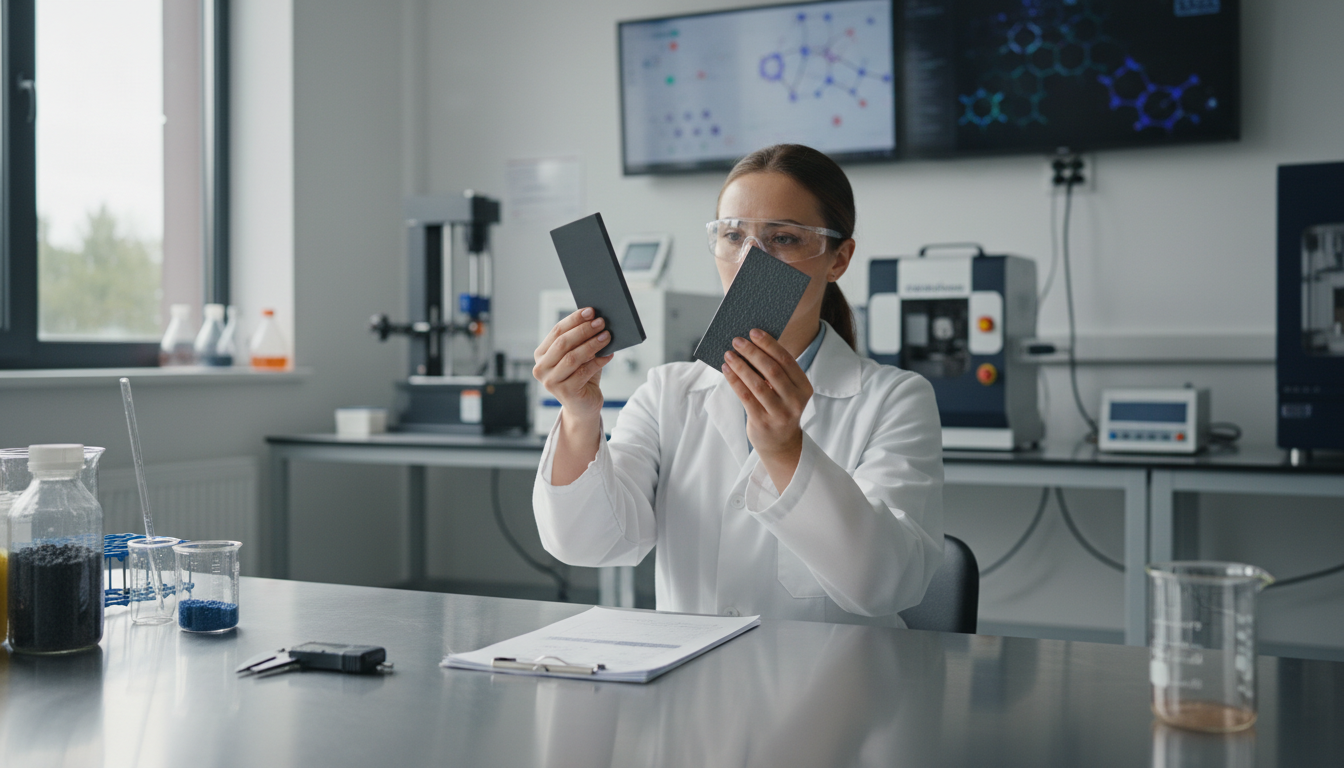
We work with a lot of different plastics here at CBR, and PC-ABS stands out as one of the most widely used engineering thermoplastics. This blend brings together two popular materials—polycarbonate (PC) and acrylonitrile butadiene styrene (ABS)—to create something that performs better than either one alone. If you’re looking for a material that can handle impact, heat, and complex designs without breaking the bank, PC ABS material deserves your attention.
Manufacturers across industries turn to this blend when they need parts that are both tough and good-looking. PC-ABS blends are commonly used in automotive, electronics and telecommunications applications. From ABS components to other plastic products, we’ve seen how the right material choice can make or break a project.
What Is PC-ABS?
PC-ABS is a carefully engineered blend that combines the strength and heat resistance of polycarbonate with the flexibility and processing ease of ABS. Think of it as getting the best of both worlds. Polycarbonate brings toughness and temperature resistance to the table, while ABS contributes easy processing and a smooth finish.
The blend typically consists of 60-90% polycarbonate and 10-40% ABS, though exact ratios can be adjusted based on specific application requirements. This flexibility means manufacturers can tweak the formula to get exactly what they need. Some applications might need more heat resistance, while others prioritize impact strength or cost.
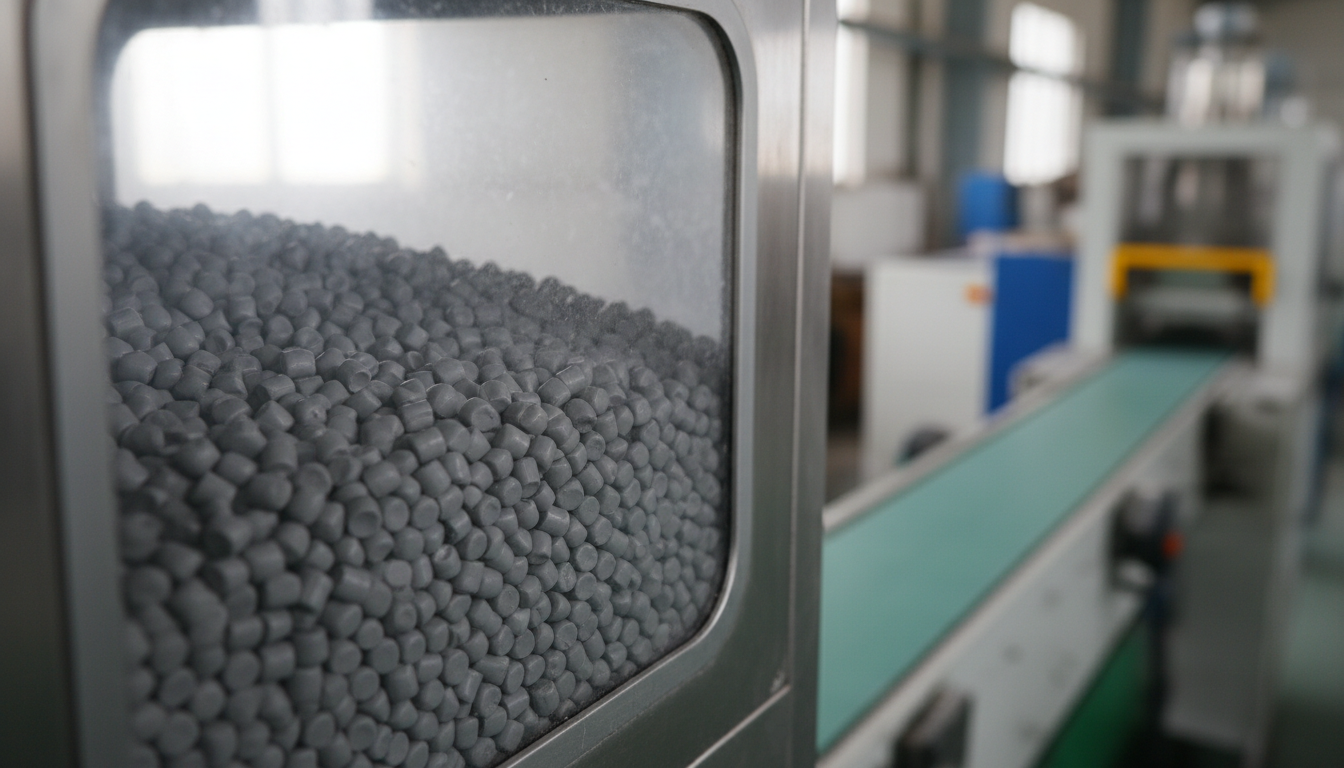
The material itself comes as small pellets that get melted down during processing. The density of this material can vary on the PC to ABS ratio, but typically it’s around 1.15g/cm³, making it reasonably lightweight for its strength level.
Key Properties That Make PC-ABS Stand Out
Impact Resistance
The material offers outstanding impact resistance, even at low temperatures. The ABS component enhances this property, providing better ductility and impact strength than pure polycarbonate. We’re talking about a material that can take a hit and keep performing. PC-ABS is especially good at keeping its toughness at low temperatures, where even some metals could crack.
Heat Resistance
Thanks to the PC included, PC-ABS has quite a good resistance to heat. It’s even more impressive because ABS has terrible thermal resistance, so by using this material, you can enjoy the aesthetic appeal of ABS without burning the part. In addition, it offers high heat resistance (+95 °C to +125 °C) and low moisture absorption.
Surface Quality and Aesthetics
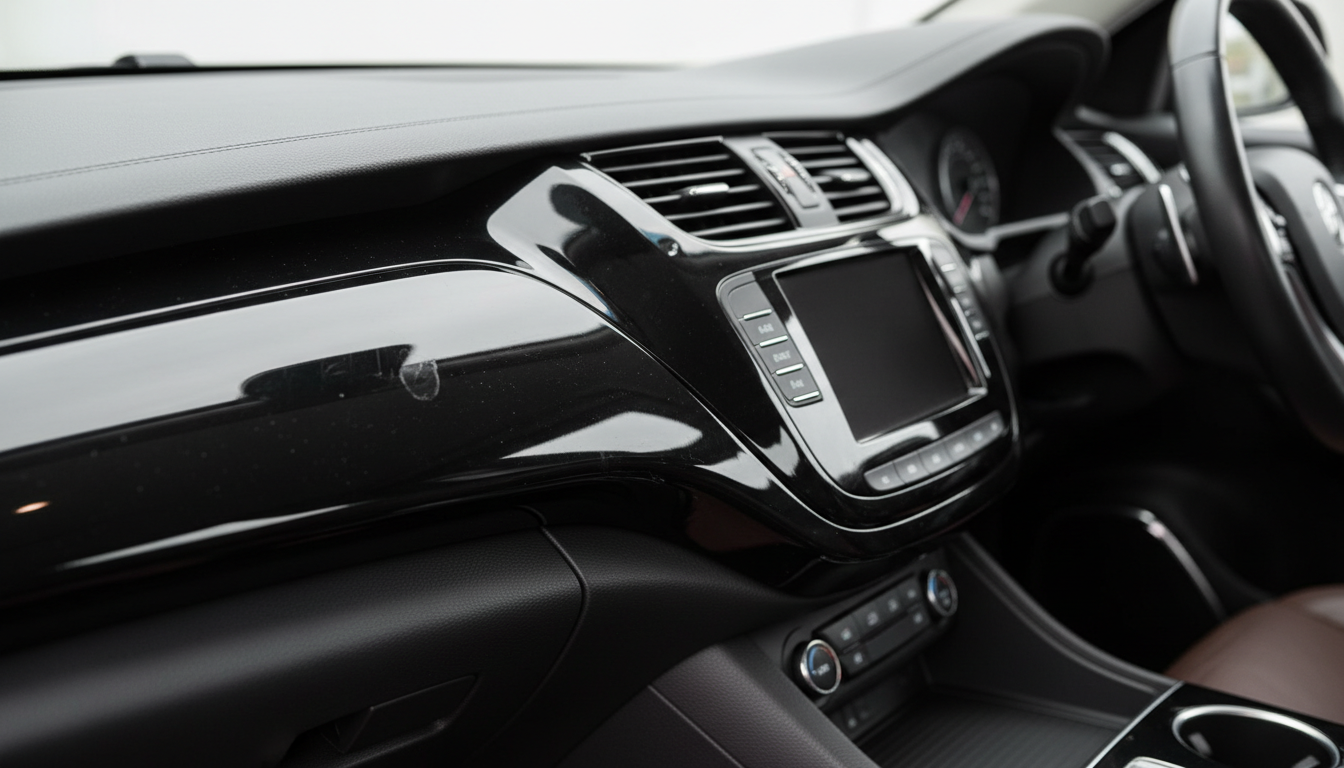
PC-ABS can achieve excellent surface finish quality, making it suitable for visible parts and components where aesthetics matter. The material also accepts various textures and finishes during the manufacturing process. It can also easily be colored, pigmented, and painted. For products where appearance counts, this is a big deal.
Where PC-ABS Gets Used
Automotive Parts
In the automotive industry, PC/ABS is used for internal components such as glove boxes, instrument panels and consoles. These parts need to handle temperature swings, occasional impacts, and look good for years. The material’s ability to maintain its properties in challenging environments makes it a solid choice.
Electronics and Housings
PC-ABS is commonly used to produce enclosures, housings, functional prototypes, and rugged components in automotive, electronics, consumer products, and industrial applications requiring durable and resilient parts. Electronics companies pick this material because it protects sensitive components while meeting aesthetic requirements.
Consumer Products
In consumer goods, PC/ABS and ABS materials are favored for their versatility and aesthetic qualities, making them ideal for everything from household appliances to toys. Additionally, the medical device industry relies on these materials for their reliability and safety.
Why Manufacturers Choose PC-ABS Over Pure PC or ABS
PC-ABS is usually much stronger and easier to machine than ABS. In fact, it can be up to 60% stronger in some blends. That’s a significant jump in performance. But strength isn’t the only factor.
Unlike PC, alloys of PC/ABS do undergo a significant decrease in viscosity as shear rates are increased. This allows PC ABS resin to be processed more easily than pure PC. Better processing means less waste, lower reject rates, and faster production times. PC-ABS blends are cheaper than using PC alone as the addition of ABS reduces the cost of material per kilogram.
There are trade-offs, of course. The alloy is also a compromise in that some of the chemical resistance of ABS is lost, as well as the clarity of PC. But for most applications, that’s a worthwhile exchange.
Processing and Manufacturing with PC-ABS
PC-ABS works well with several manufacturing processes. This material offers high impact strength and thermal resistance from polycarbonate, along with the enhanced processability and lower cost of ABS. These resins exhibit good flow properties and can be easily molded, which facilitates complex part designs and efficient manufacturing processes.
Injection Molding
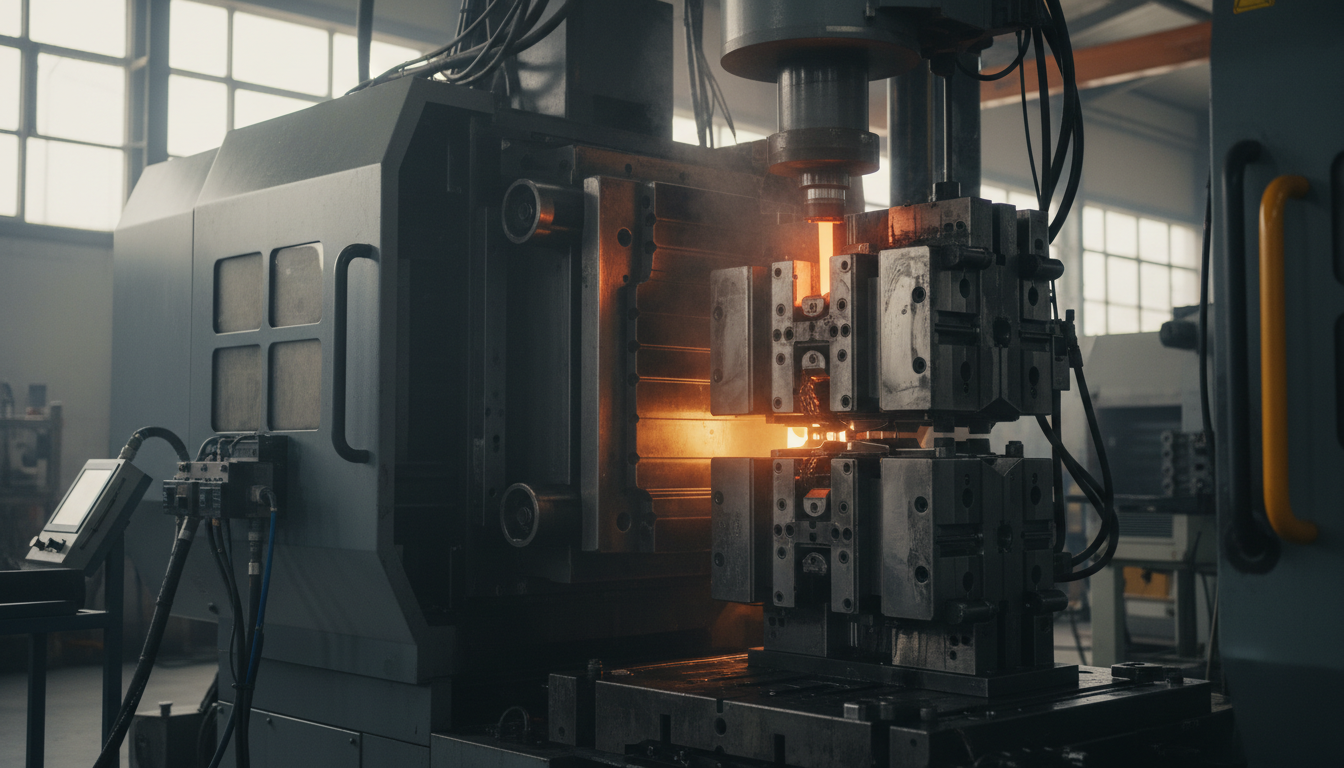
Injection molding is the most common way to process pc abs material. The material flows well, fills molds completely, and produces parts with tight tolerances. The only thing to remember during plastic injection molding with this material is that it needs to be dried—under 0.04% humidity—to work properly.
3D Printing
Additionally, a PC-ABS part manufactured on a Fortus® or Stratasys F370™ 3D Printer is 5-60 percent stronger than a part made on previous FDM® systems. This makes it a viable option for functional prototypes and even production parts in some cases.
Things to Consider
ABS has pretty bad UV resistance and PC isn’t much better, so overall, PC-ABS, while better than ABS alone, is not very UV-resistant. If your parts will spend time outdoors or under UV light, you’ll need to use stabilizers or coatings.
PC/ABS offers chemical resistance to a wide range of substances, including aliphatic hydrocarbons, weak acids – both mineral and organic – as well as oils, fats, diluted acids and ethanol. However, the material is less resistant to bases and aromatic and halogenated hydrocarbons, ketones and esters. For applications in environments with high UV exposure, stabilisers or special films are required.
If you’re working with different plastics like PE, PET, or PP, understanding each material’s strengths helps you make better decisions.
Conclusion
PC ABS material offers a practical balance of properties that work for a wide range of applications. This powerful combination results in a material that harnesses the superior strength and heat resistance of PC with the flexibility and processability of ABS. The resulting blend is one of the most widely used amorphous thermoplastics, celebrated for its unique balance of mechanical properties, aesthetic appeal, and manufacturing versatility.
The blend performs better than either PC or ABS alone in many situations, costs less than pure polycarbonate, and processes easier than pure PC. It handles impact well, tolerates heat, and looks good doing it. For manufacturers looking to produce durable, attractive parts without extreme material costs, PC-ABS hits a sweet spot. Whether you’re designing automotive components, electronic housings, or consumer products, this material deserves consideration.
FAQs
What’s the main difference between ABS and PC-ABS?
ABS is a single thermoplastic material, while PC-ABS is a blend of polycarbonate and ABS. The PC/ABS alloy provides higher impact than ABS and easier processability than PC. PC-ABS offers better heat resistance and impact strength than regular ABS, making it suitable for more demanding applications. The blend typically costs more than pure ABS but less than pure polycarbonate.
Can PC-ABS be recycled?
Yes, PC-ABS is fully sustainable and performs better overall than PC and ABS. The material can be reprocessed and reused in manufacturing, though like most thermoplastics, the properties may degrade slightly with each recycling cycle. Many manufacturers incorporate recycled PC-ABS into new products to reduce costs and environmental impact.
Is PC-ABS suitable for outdoor applications?
PC-ABS, while better than ABS alone, is not very UV-resistant. For outdoor use, you’ll need to add UV stabilizers or apply protective coatings. PC-ABS blends exhibit a good level of resistance to ultraviolet (UV) radiation, which significantly contributes to the longevity and durability of products. The presence of polycarbonate (PC) in the blend enhances UV resistance, but additional protection is recommended for extended outdoor exposure.
What processing temperature does PC-ABS need?
Processing temperatures vary depending on the specific blend ratio and manufacturing method. For 3D printing, nozzle temperature: 275°C (290°C for Bambu Lab printers) is typical. Injection molding temperatures are similar, typically ranging from 230°C to 290°C. The material must be thoroughly dried before processing to prevent defects.
How strong is PC-ABS compared to other plastics?
PC-ABS is usually much stronger and easier to machine than ABS. In fact, it can be up to 60% stronger in some blends. The exact strength depends on the PC-to-ABS ratio and any additives used. The blend offers good tensile strength, stiffness, and impact resistance, making it stronger than standard ABS but typically less strong than pure polycarbonate in some properties.